Sleep Reset: 7-Day Guided Audio for Restful Nights
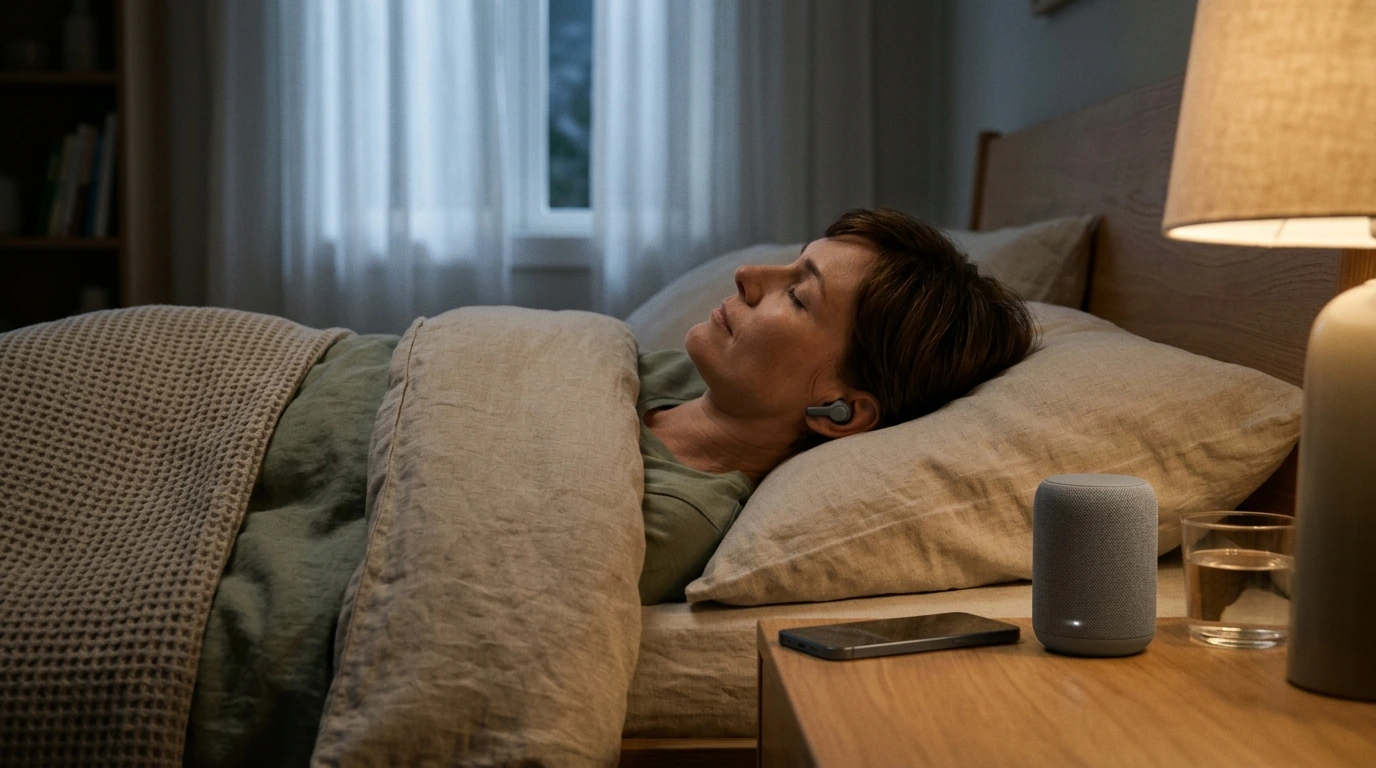
Sleep Reset: A 7-Day Guided Audio Course for Deeper Relaxation and Restful Nights
Sleep can unravel quickly when stress, irregular schedules, or racing thoughts take over. Sleep Reset: Guided Audio Course for Restful Nights is built around a simple 7-day structure that helps calm the nervous system, settle the mind, and rebuild a consistent wind-down routine—so falling asleep feels easier and nights feel more restorative.
What Sleep Reset Is Designed to Do
When bedtime becomes a battleground, the goal isn’t to “try harder” to sleep—it’s to create the conditions where sleep can happen. Sleep Reset is designed to support that shift with guided audio you can follow even when you’re tired.
- Support a smoother transition from alertness to drowsiness using guided relaxation and sleep-focused meditation.
- Reduce bedtime mental noise with structured prompts that keep attention from spiraling into worry.
- Encourage a repeatable nightly routine that becomes a cue for sleep over time.
- Help ease stress-related tension through body-based relaxation and slow pacing.
- Offer a short, manageable program length (7 days) that feels doable even during a rough week.
What’s Included in the 7-Day Audio Course
The course is structured to build momentum: each day reinforces skills that make the next night feel more familiar and less effortful.
- A day-by-day path that gradually reinforces calm-down skills rather than relying on willpower at bedtime.
- Guided sessions that focus on deep relaxation, breath awareness, and attention anchoring to reduce rumination.
- A structure that can be repeated after the initial week to maintain consistency during travel, workload spikes, or stressful seasons.
- A digital format that can be used with headphones or a bedside speaker at a comfortable volume.
How Guided Sleep Meditation Can Help with Insomnia Patterns
Difficulty sleeping often follows recognizable loops—stress creates arousal, arousal leads to poor sleep, and poor sleep makes stress feel worse. Guided audio can interrupt that loop by giving your brain and body a predictable “downshift.” For background on evidence-based insomnia approaches, see this overview of Cognitive Behavioral Therapy for Insomnia (CBT-I).
- Pre-sleep arousal: guided pacing can lower physiological activation (fast thoughts, tight muscles, shallow breathing).
- Conditioned wakefulness: repeating a calming routine at the same time can retrain the bed/bedtime as a sleep cue rather than a worry cue.
- Attention redirection: narration gives the mind a gentle track to follow when it wants to problem-solve.
- Relaxation response: slow breathing and progressive muscle release can reduce tension that keeps the body vigilant (more on relaxation methods from NCCIH).
- Middle-of-the-night wake-ups: a short replay of a session can help return to sleep without engaging in stimulating activities.
A Simple Night Plan for Best Results
Small consistency wins matter more than a “perfect” routine. The goal is to make bedtime predictable and low-friction, signaling safety and calm to the body.
- Choose a consistent start time for the audio (even a 15–30 minute window) to build predictability.
- Dim lights 30–60 minutes before bed; keep the final portion of the evening low-stimulation when possible.
- Use the same setup nightly: device on Do Not Disturb, comfortable volume, and a stable position in bed.
- If thoughts intrude, return attention to the voice, breath, or body scan cues—without judging the distraction.
- If sleep doesn’t arrive quickly, keep listening anyway; the goal is calm and safety signals for the body, not forcing sleep.
For additional baseline habits that support sleep quality (light exposure, schedules, and bedroom environment), the CDC’s guidance on healthy sleep habits can be a helpful companion.
Who This Course Fits Best
- People who struggle to fall asleep because the mind won’t switch off.
- Light sleepers who feel tense at bedtime and want a structured relaxation practice.
- Anyone rebuilding sleep after a stressful period, travel, schedule changes, or burnout.
- Meditation beginners who want guidance rather than silent practice at night.
- Those who prefer an audio-first approach over apps with many features and distractions.
Course Snapshot and Options
Sleep Reset is a focused sleep-support audio program with a 7-day framework and a repeatable format. If you’d like complementary support beyond sleep, pairing it with a mindset- or wellness-focused digital program can round out your routine.
Quick Comparison: Sleep Support vs. Related Digital Programs
| Program | Best for | Format | Timeframe |
|---|---|---|---|
| Sleep Reset: Guided Audio Course for Restful Nights | Falling asleep, calming racing thoughts, bedtime relaxation | Guided audio course | 7 days (repeatable) |
| Meditations for Self-Love & Worthiness | Confidence, calm, inner healing, supportive self-talk | Guided meditations + affirmations | Flexible sessions |
| Whole You: Holistic Wellness Guide | Foundational wellness habits across daily life | Ebook (digital download) | Self-paced |
Tips for Using Audio at Night Without Disrupting Sleep
When to Get Extra Support
Common Sticking Points (and What to Do)
FAQ
How quickly can improvements show up with a 7-day sleep meditation course?
Some people feel noticeably calmer on night one, while others see changes build gradually over a week or two. Consistency matters most, and repeating a day (or the full week) can help the routine “stick” without forcing sleep.
Can Sleep Reset be used if waking up in the middle of the night is the main problem?
Yes—replaying a session quietly can help your body settle back into drowsiness without turning on lights or reaching for your phone. Keeping the environment dark and low-stimulation makes the audio more effective.
Is it safe to listen to guided sleep audio every night?
For most people, nightly guided sleep audio is generally safe when played at a comfortable volume and used in a restful setting. If symptoms persist, or if there’s concern about a medical sleep disorder or severe anxiety, it’s a good idea to consult a clinician.












Leave a comment